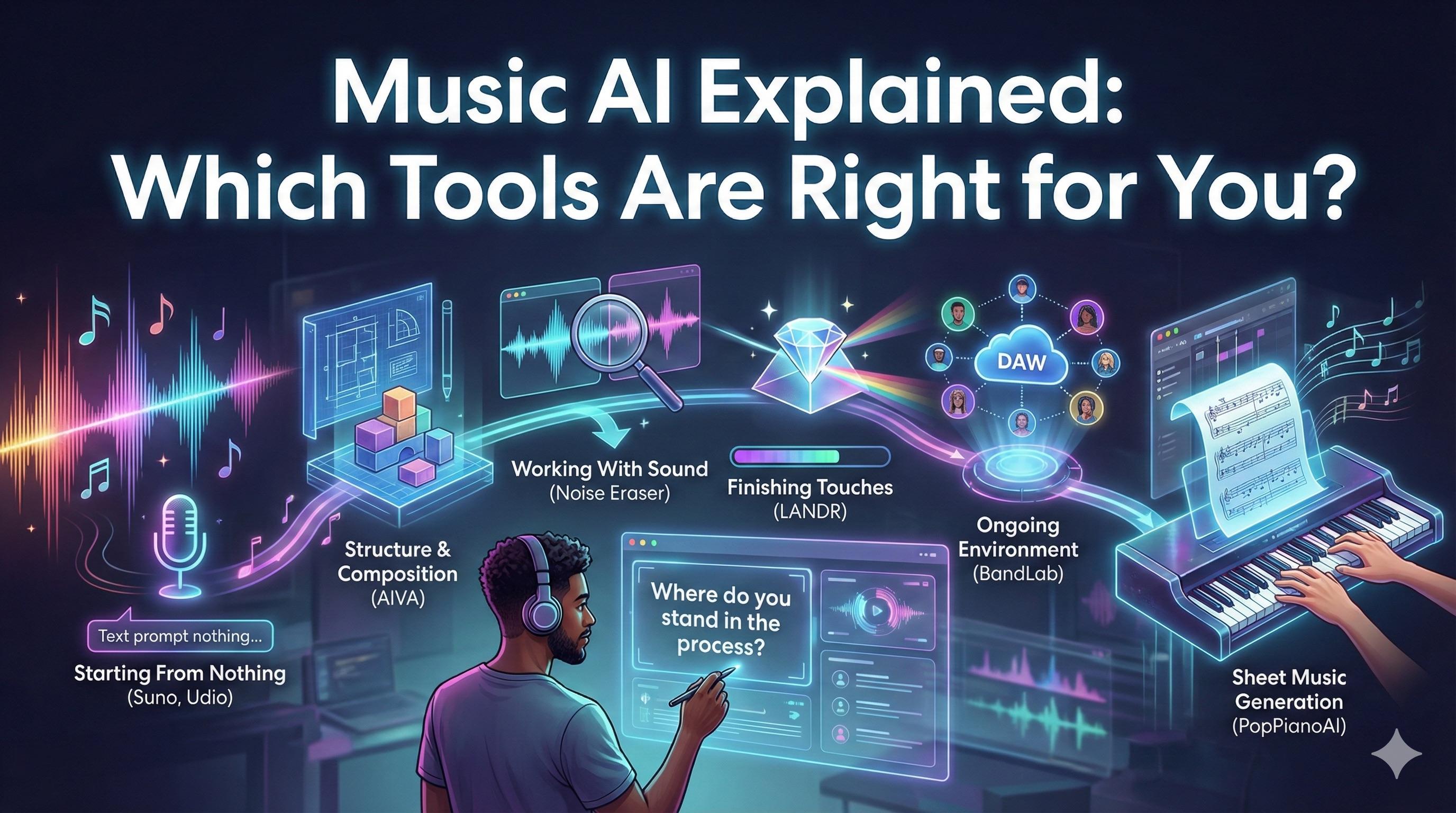

In the past, making music usually meant years of training, constant practice, and a heavy dependence on instruments and software.
Today, music AI is quietly reshaping that path.
It hasn’t made music less meaningful. Instead, it has taken the most time-consuming and discouraging parts of the process and broken them into smaller, solvable pieces.
As a result, music creation is no longer reserved only for highly trained professionals—it has started to appear naturally in many people’s everyday lives.
But with so many tools emerging, a new question often follows:
These music AI tools all sound impressive—so which one is actually right for me?
The answer isn’t about features.
It’s about where you currently stand in the music-creation process.
Below, we’ll walk through some of the most representative music AI tools today, following the real creative workflow. At the end of each section, you’ll find a short conclusion clarifying who that tool is best suited for.
Starting From Nothing: AI That Generates Complete Songs
Suno
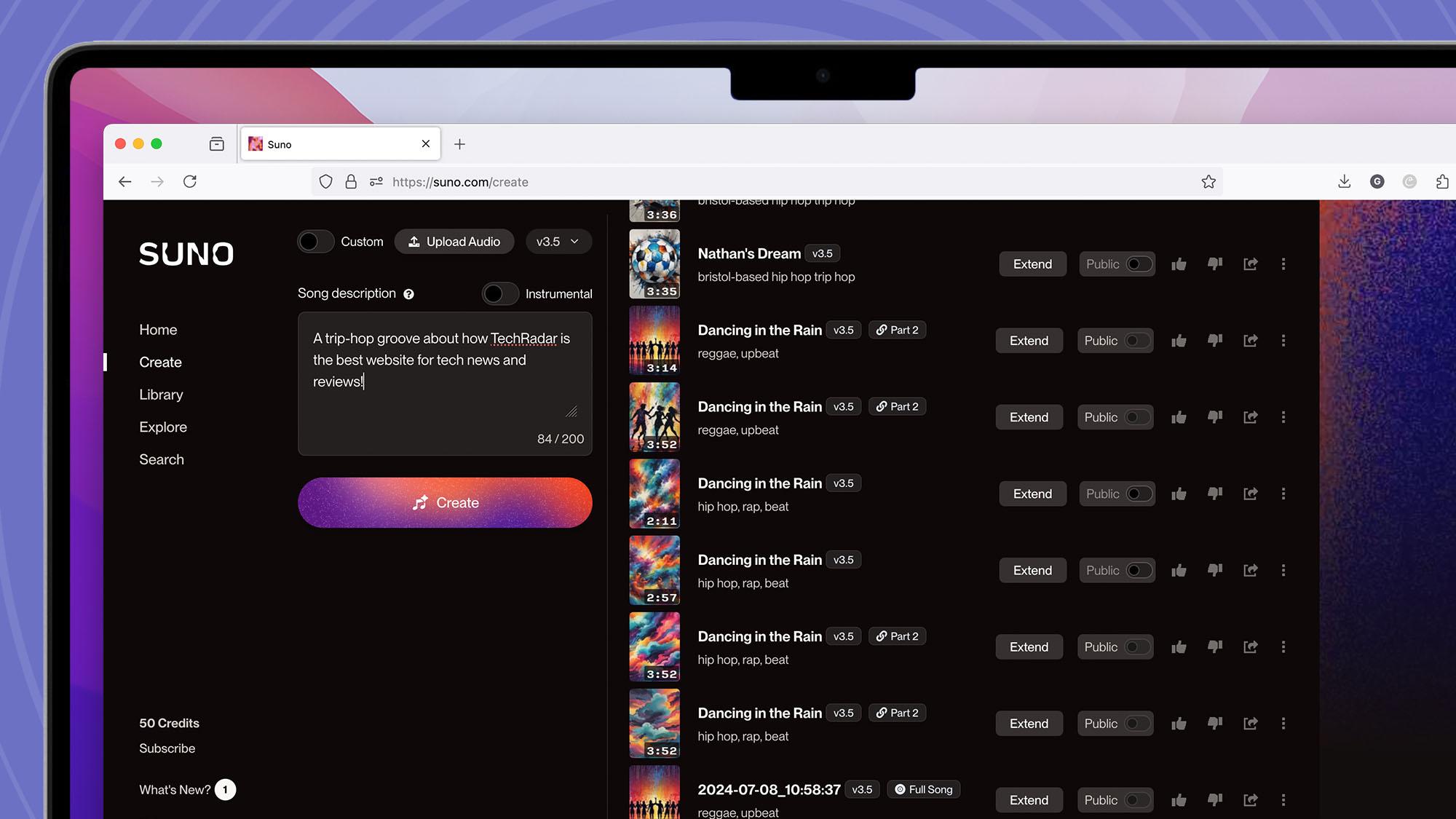
Suno fundamentally changes the traditional order of music creation.
You don’t need music theory, arrangement skills, or even the ability to play an instrument. With just a short text prompt or lyrics, Suno can generate a complete song—including vocals, accompaniment, and basic song structure.
This shift isn’t only technical; it’s psychological.
Music becomes something you can try instantly, without preparation or commitment. Ideas no longer stay abstract—they turn into sound within seconds.
For many creators, Suno’s value isn’t in perfection, but in speed. It allows vague ideas to become audible and discussable almost immediately, dramatically accelerating experimentation.
That said, its limitations are clear. Fine-grained control is minimal, and the results aren’t designed for long-term, detailed editing.
Who it’s for: Suno is best for people who want to turn ideas into sound quickly and don’t need precise control over musical details.
Udio
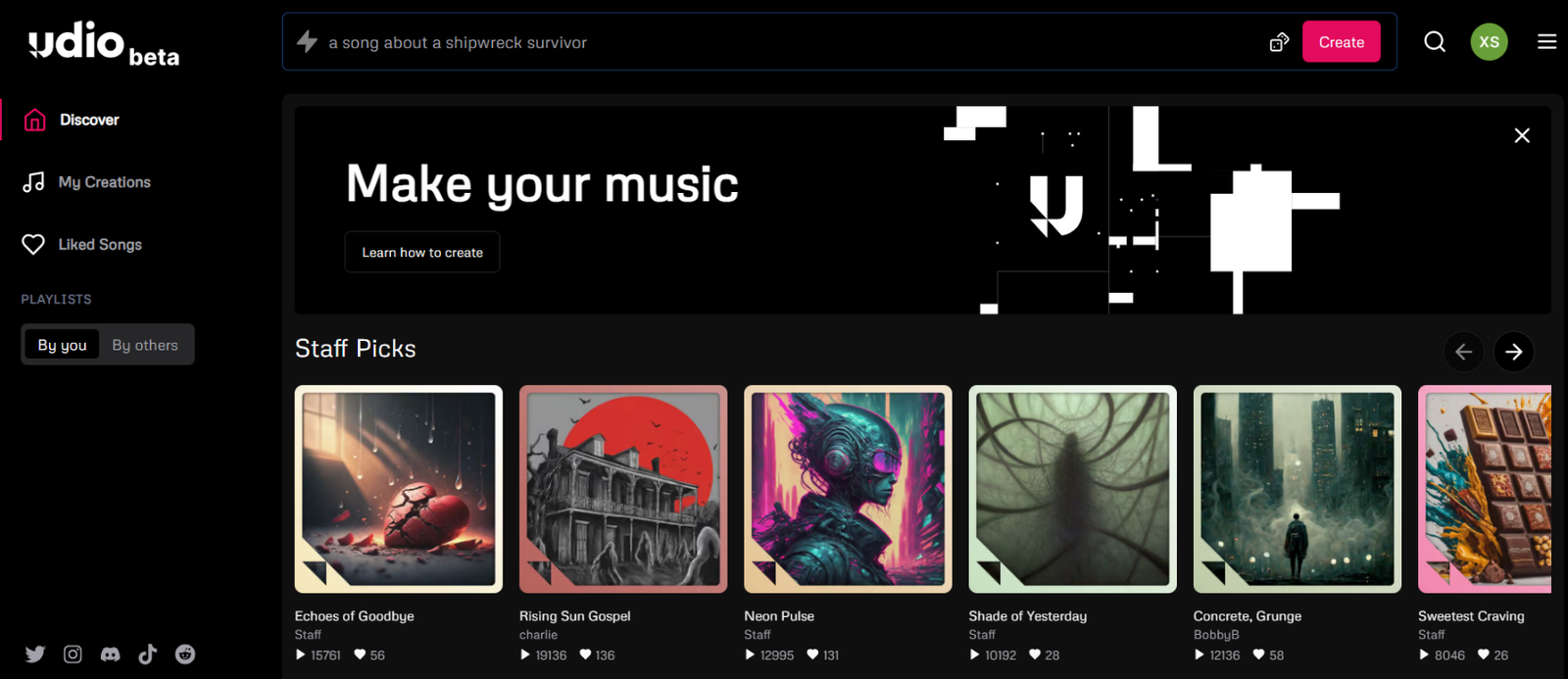
While Suno focuses on making music appear, Udio focuses on whether a song actually holds together.
In practice, Udio’s results often feel more cohesive in terms of structure, emotional progression, and stylistic consistency. Rather than rushing to output, it tries to produce something that resembles a fully thought-out song.
This makes Udio especially useful in early creative stages—not to finalize music, but to answer questions like:
If this song went in this direction, would it work?
Udio is less about instant output and more about creative validation.
Who it’s for: Udio is ideal for exploring style, mood, and song direction—not for producing a finished track.
When the Focus Is Structure, Not Hits
AIVA
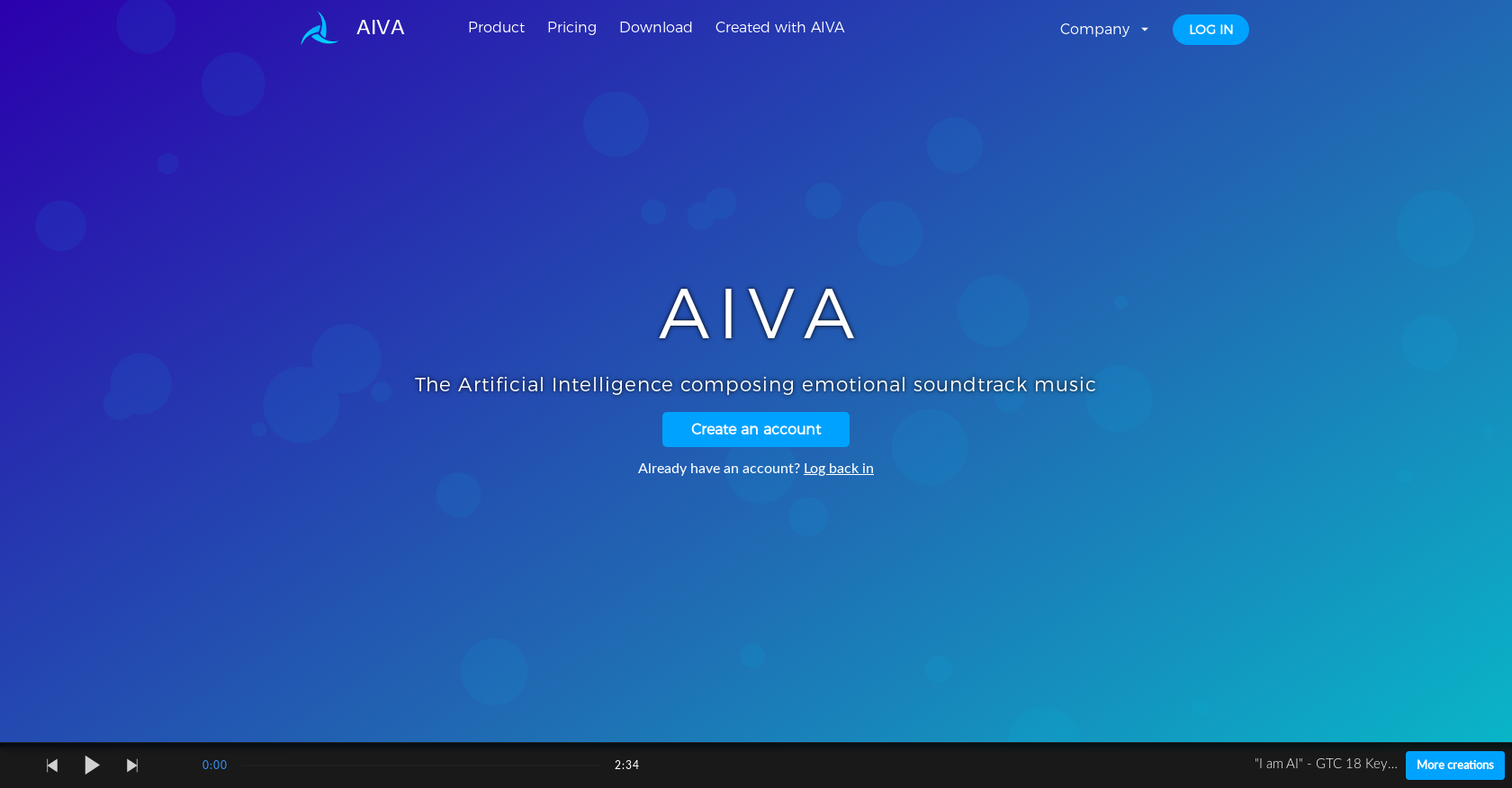
AIVA is often mistaken for a pop-song generator, but its true strength lies elsewhere.
It is designed to help creators build musical structure, especially for film, games, and background music.
In these contexts, music isn’t meant to stand alone—it supports visuals, atmosphere, and storytelling. AIVA excels at producing structured compositions that fit these roles.
Crucially, AIVA can export MIDI files, allowing human composers to take over, modify, and refine the music. It’s meant to be a starting point, not a finished product.
Who it’s for: AIVA is best for creators who need background music or editable musical foundations, rather than pop songs.
When the Song Already Exists: Working With Sound Itself
Noise Eraser
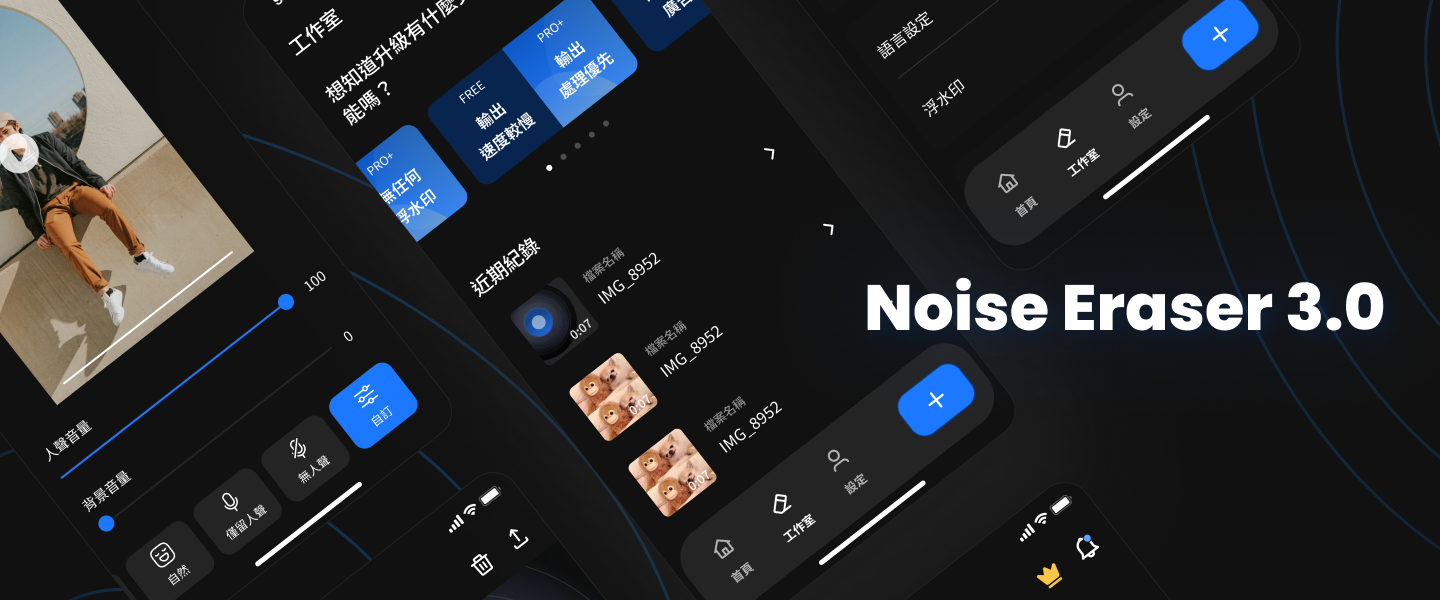
Noise Eraser doesn’t create music at all—and that’s exactly its strength.
Its purpose is simple and practical: separate an existing song into vocals and instrumental accompaniment.
This need comes up constantly in real-world scenarios—cover practice, teaching, demonstrations, and karaoke. Noise Eraser prioritizes speed and usability over complexity, focusing on clean, reliable results rather than multi-track dissection.
By keeping its scope narrow, it stays effective.
Who it’s for: Noise Eraser is ideal for anyone who already has a song and needs clean vocals or backing tracks for practice, teaching, or covers.
When the Music Is Finished—But Doesn’t Sound Finished
LANDR
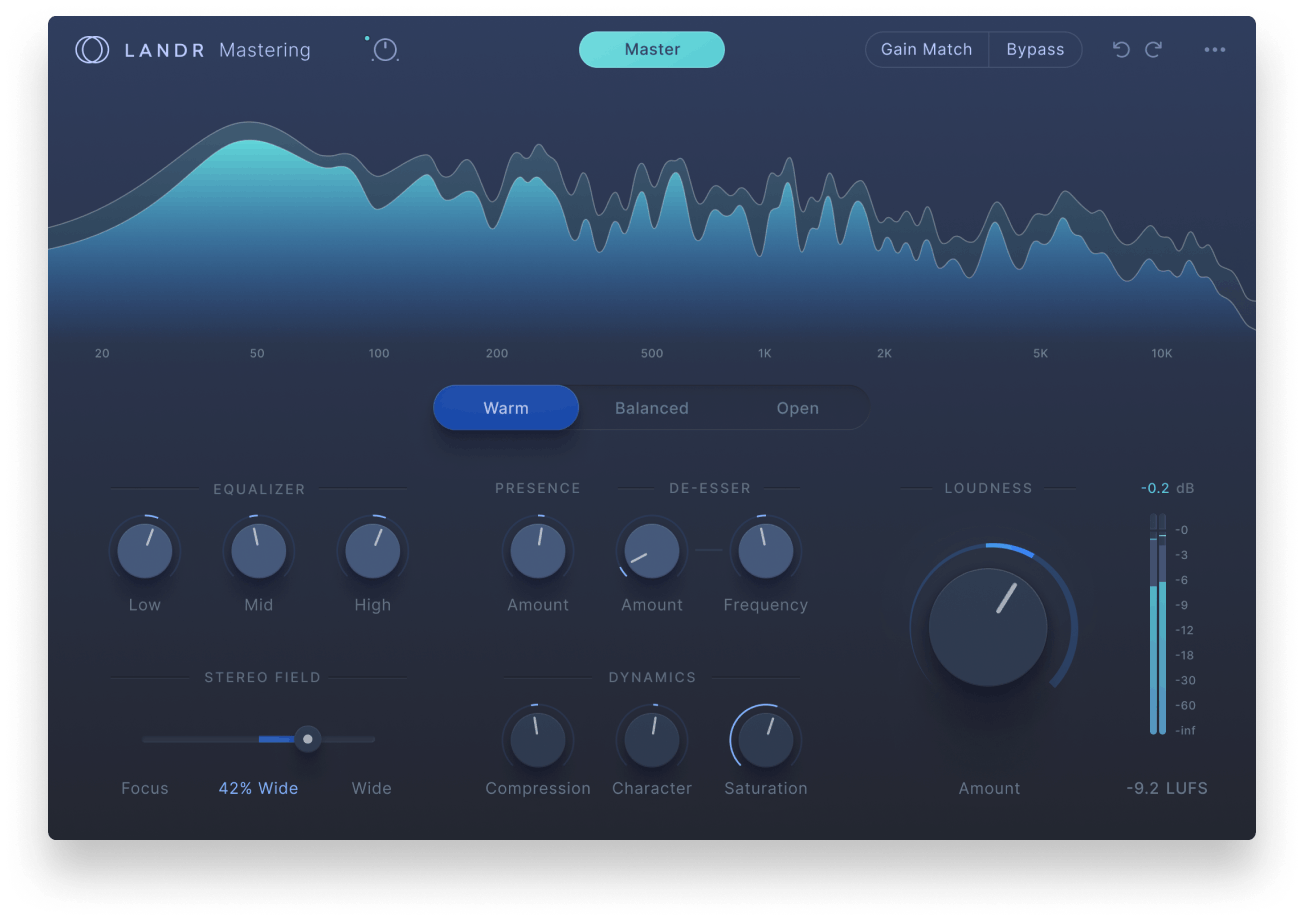
For many independent creators, the hardest part of music production isn’t writing or arranging—it’s mastering.
LANDR addresses this gap by using AI to analyze loudness, frequency balance, and dynamics, producing a master that sounds consistent across devices and platforms.
It won’t replace a high-end mastering engineer, but it ensures that a track reaches a professional baseline—good enough to be released and taken seriously.
Who it’s for: LANDR is best for independent artists who want to release music but lack professional mastering resources.
Creation as an Ongoing Environment, Not Just a Tool
BandLab
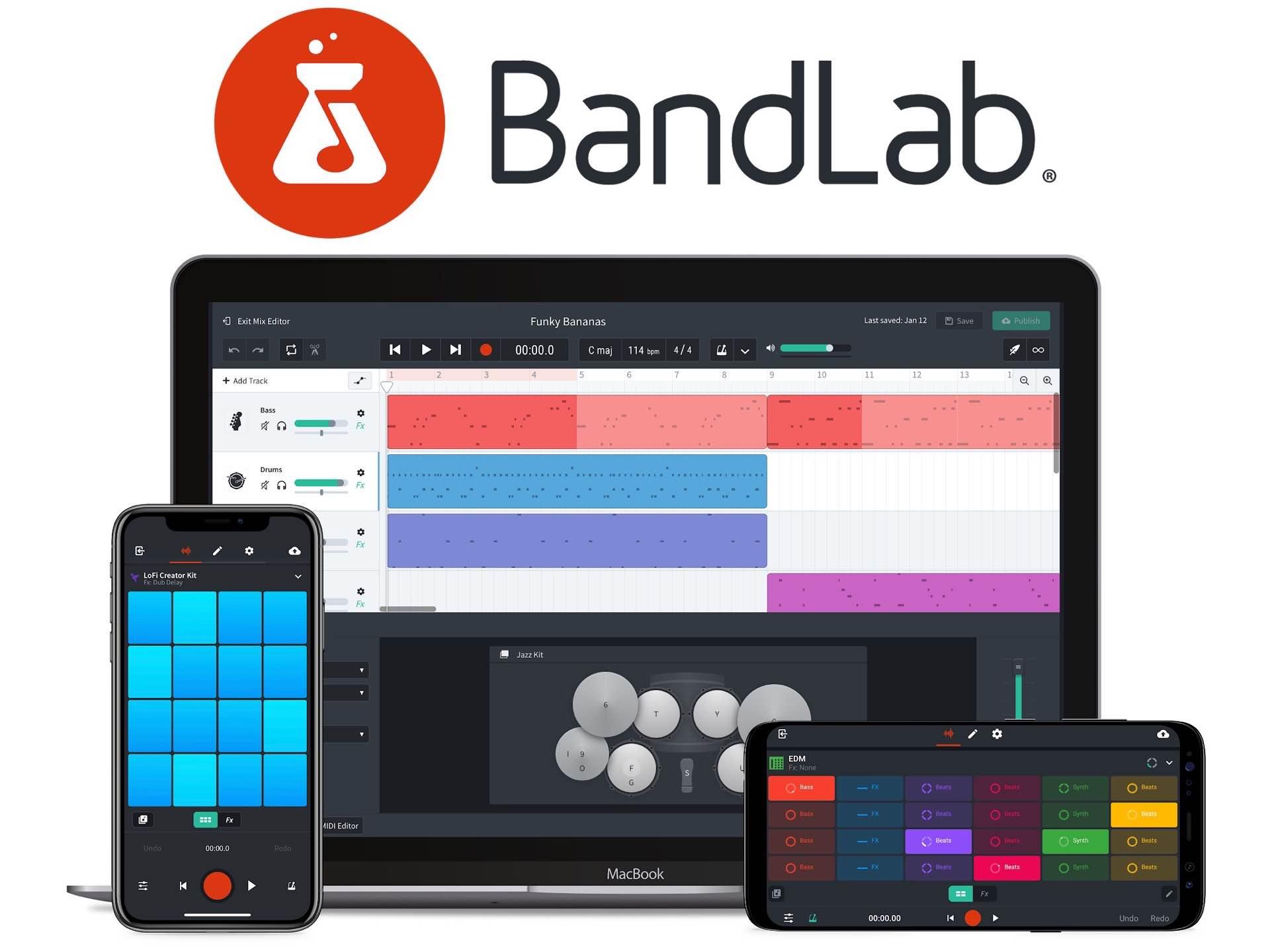
BandLab stands apart from single-purpose tools.
Rather than solving one technical problem, it focuses on making music creation easier to start and easier to sustain.
With a cloud-based DAW, collaboration tools, and social features, BandLab removes barriers related to equipment, location, and working alone. Music becomes something that can happen anytime—and with anyone.
Who it’s for: BandLab is ideal for beginners and creators who value collaboration, sharing, and continuous creation over deep technical control.
When the Problem Isn’t Skill—It’s the Lack of Sheet Music
PopPianoAI
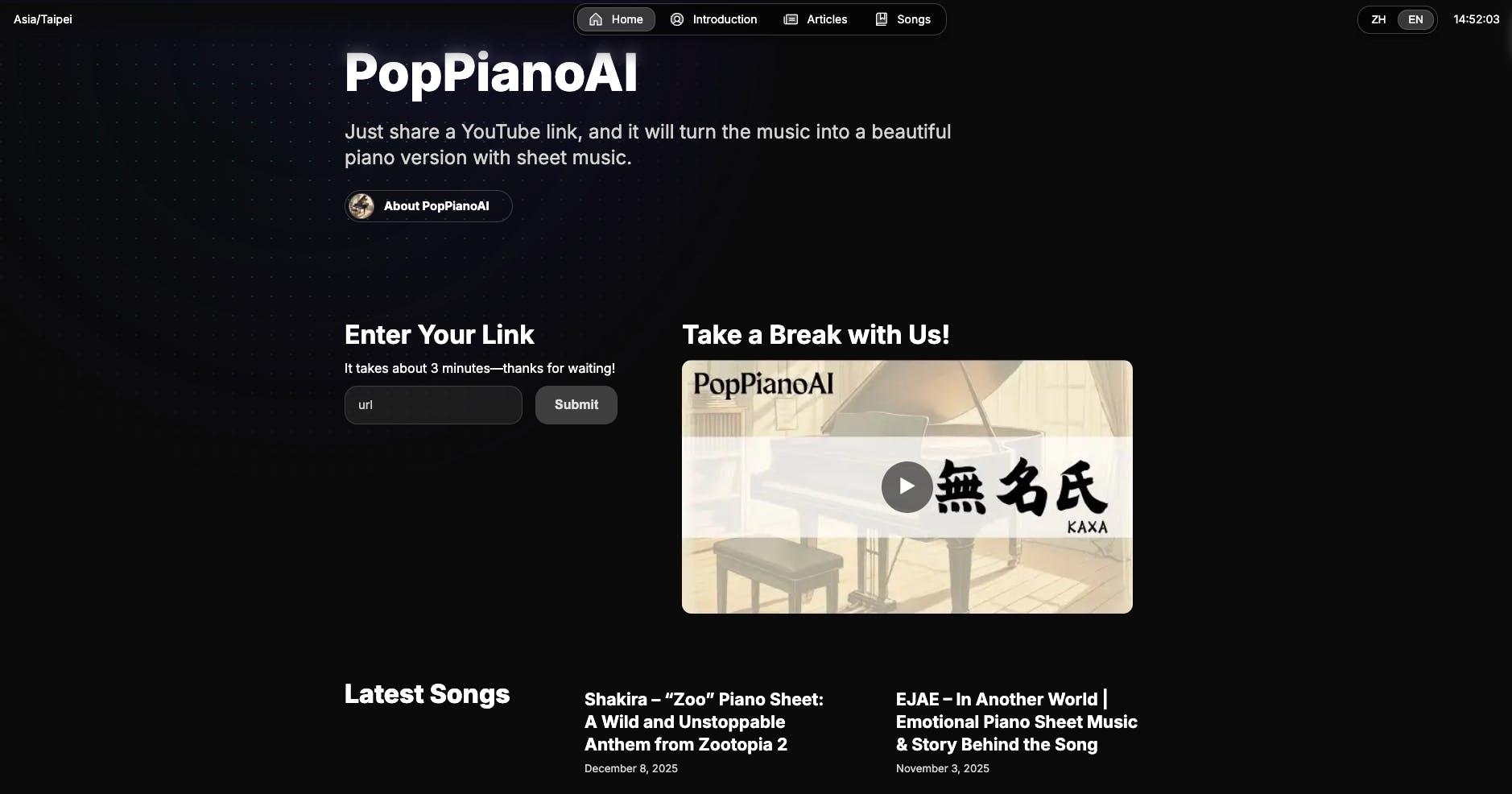
PopPianoAI addresses a surprisingly common but often overlooked problem.
Many people can play piano, understand music, and love pop songs—but they stop simply because there is no piano sheet music available.
Transcribing by ear—figuring out chords, rhythm, and structure—is time-consuming and frustrating, and not everyone enjoys it. For many pianists, this step drains motivation before playing even begins.
PopPianoAI hands that work to AI, converting existing songs directly into playable piano sheet music, so musicians can focus on performing rather than decoding.
Who it’s for: PopPianoAI is perfect for pianists who enjoy pop music but often stop because there’s no sheet music to start from.
Final Thoughts: Music AI Is About Being in the Right Place
When you look at these tools together, a clear pattern emerges:
they’re not competing with each other.
Some help music come into existence.
Some clean and organize sound.
Some bring a track to release-ready quality.
And some make it possible to actually play the music.
If you reach the end of the process and realize you’re not missing inspiration or skill—
just a way to start playing—
then PopPianoAI is designed to be exactly there.